


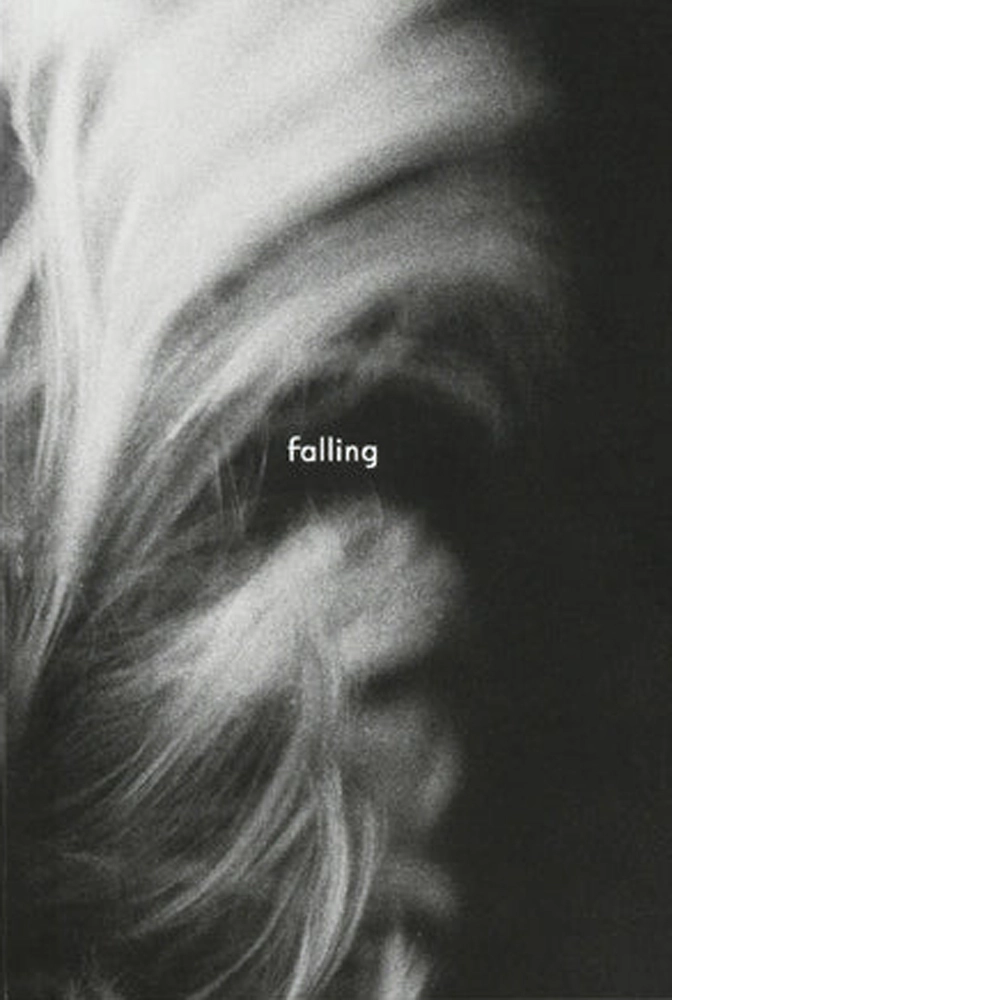
[재입고] Falling / Gabby Laurent

판형 : 155 x 232 mm
구성 : OTA-bound debossed softcover
페이지 : 144 (72 colour and duotone plates)
출판사 : Loose Joints
출판년도 : 2021년 6월
ISBN 978-1-912719-27-3
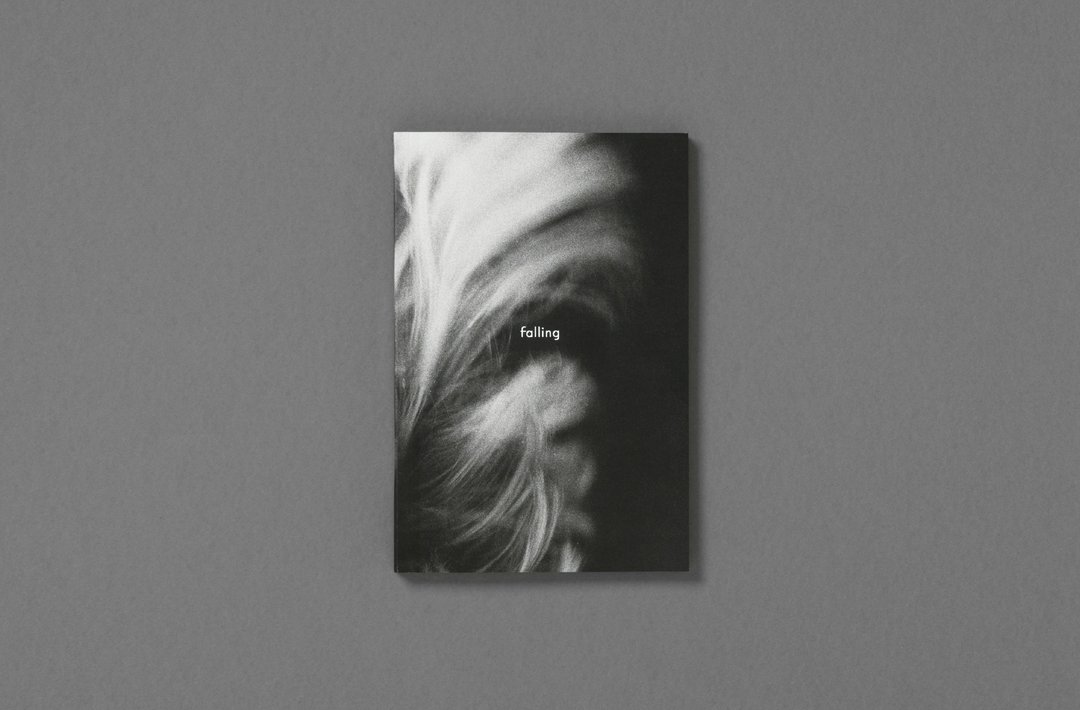
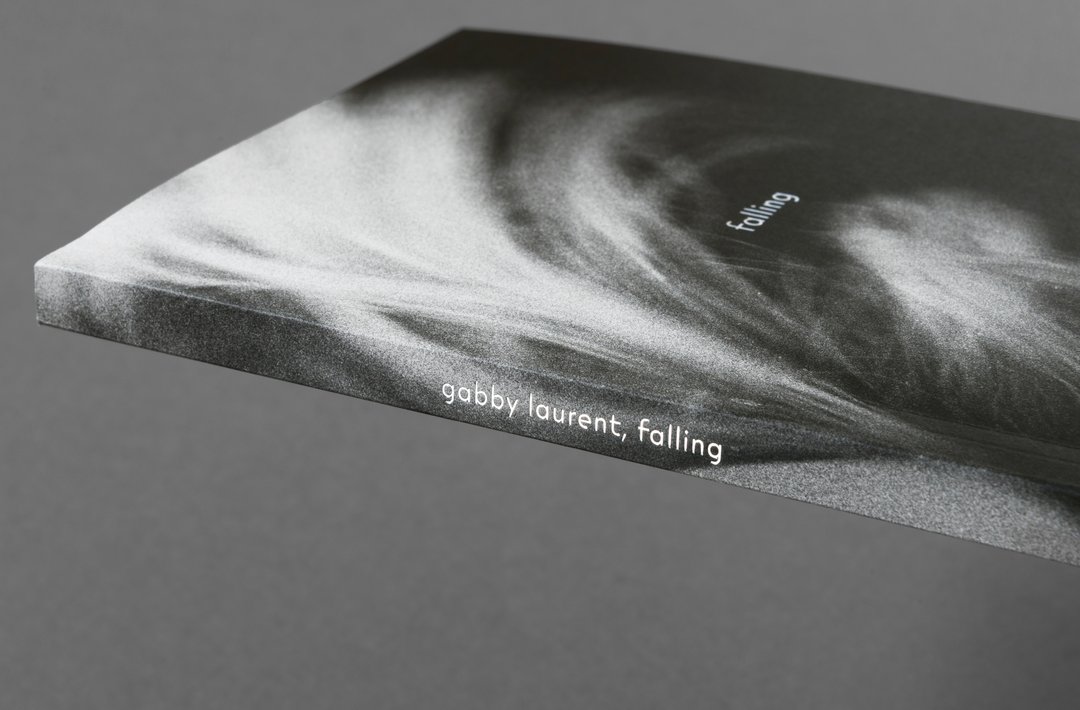
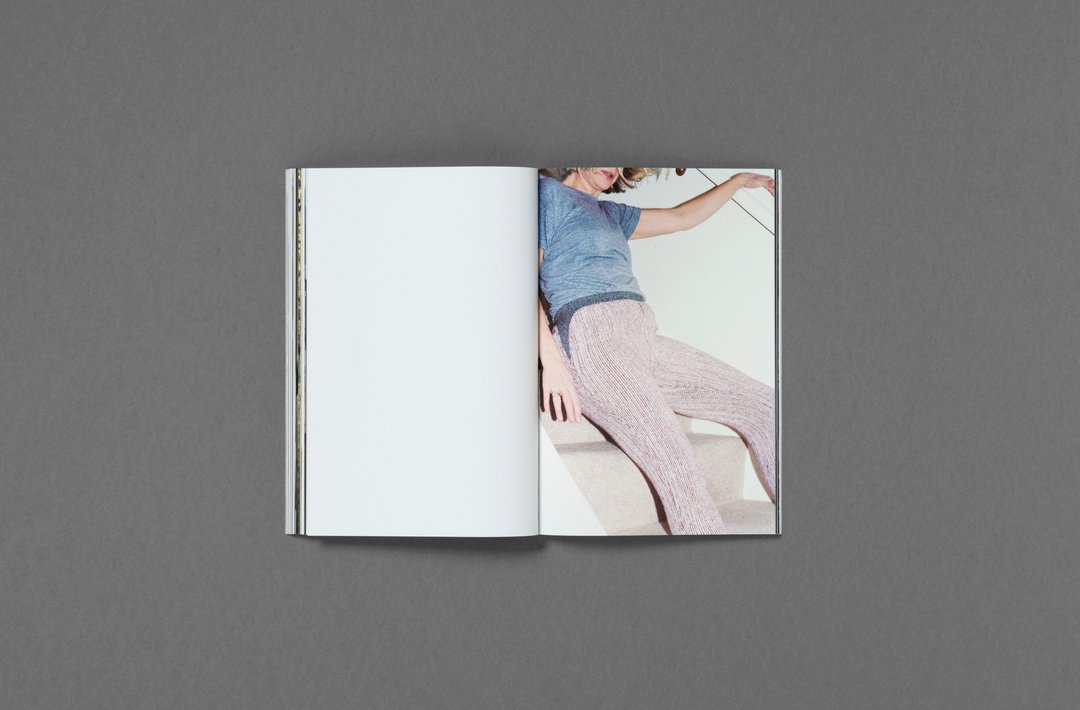
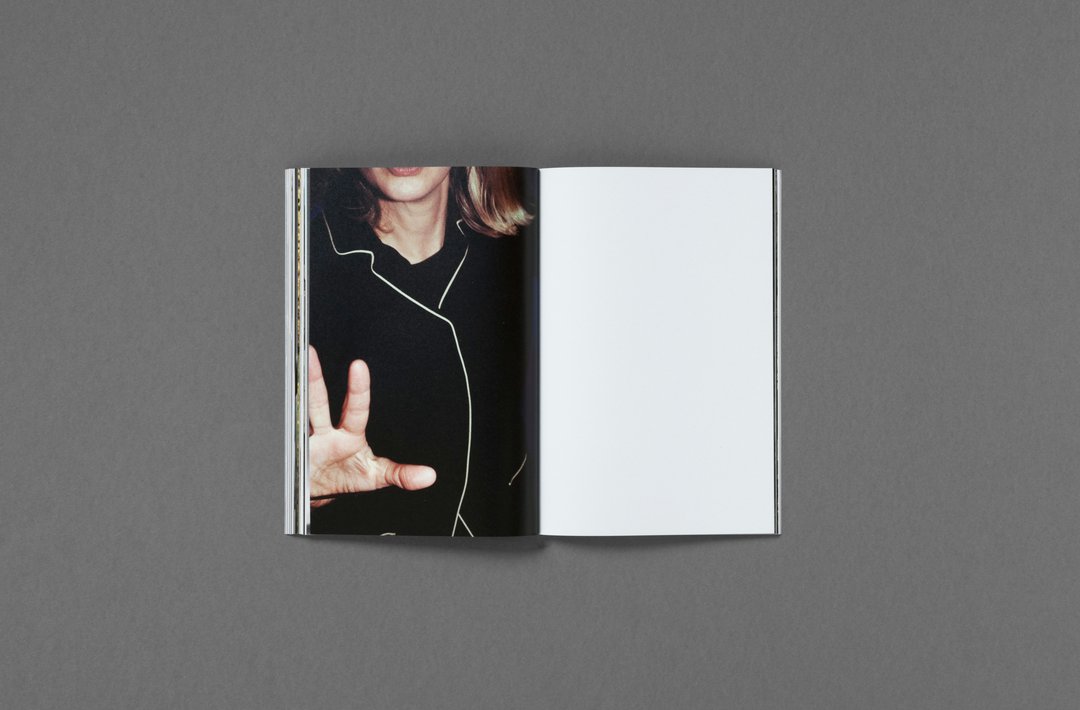
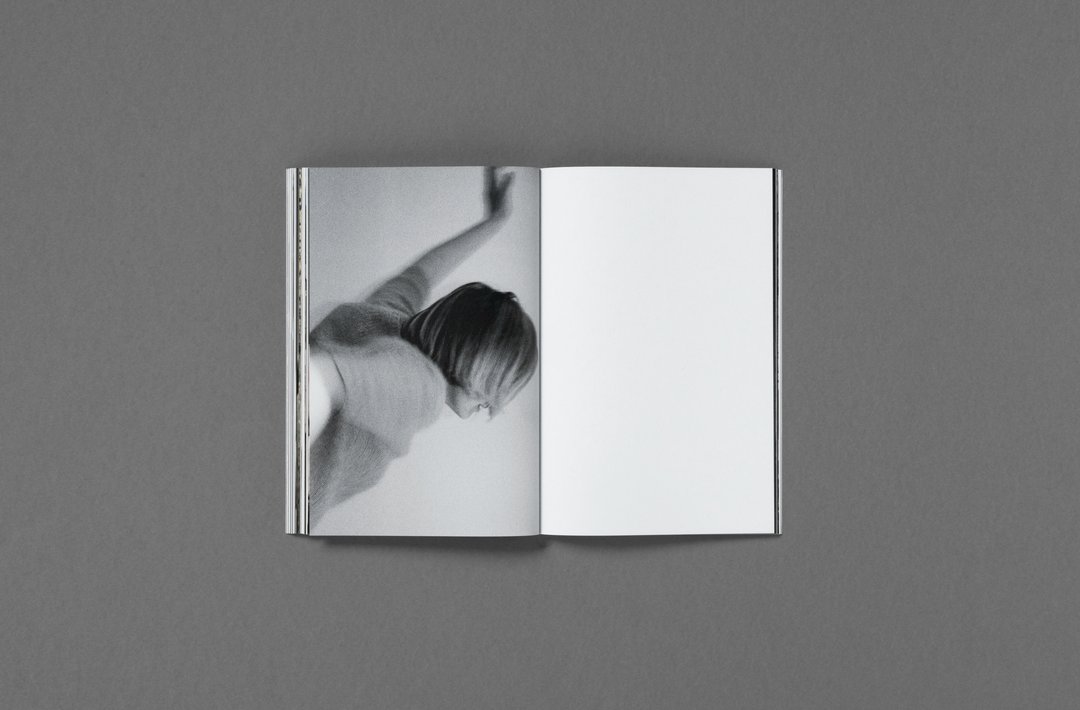
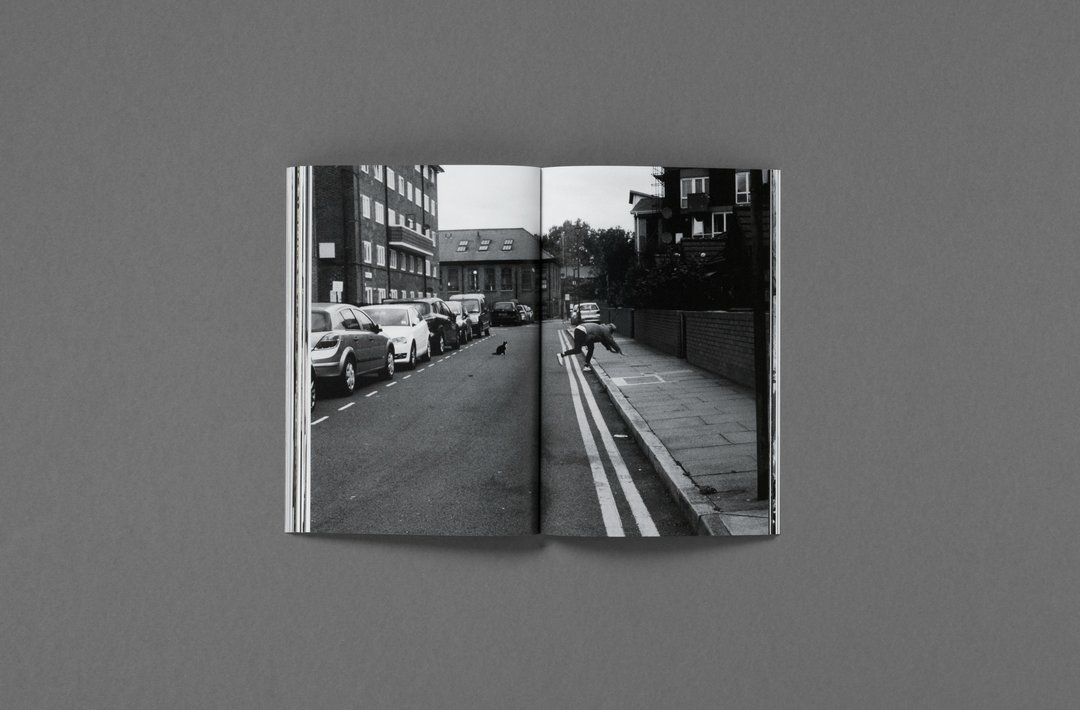
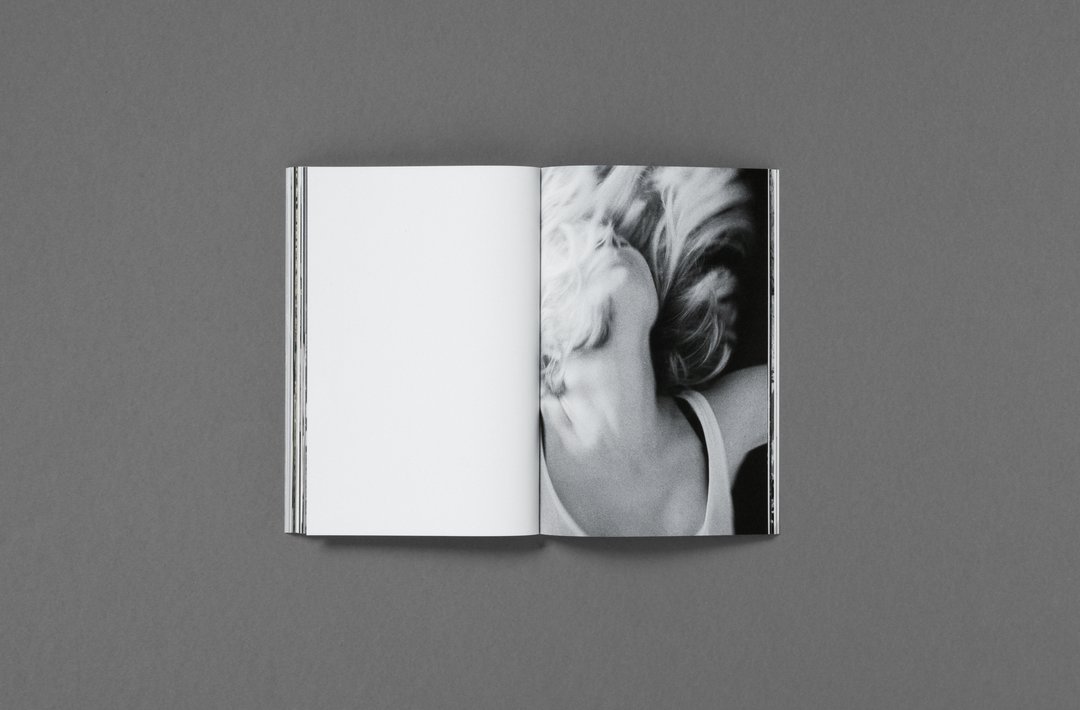
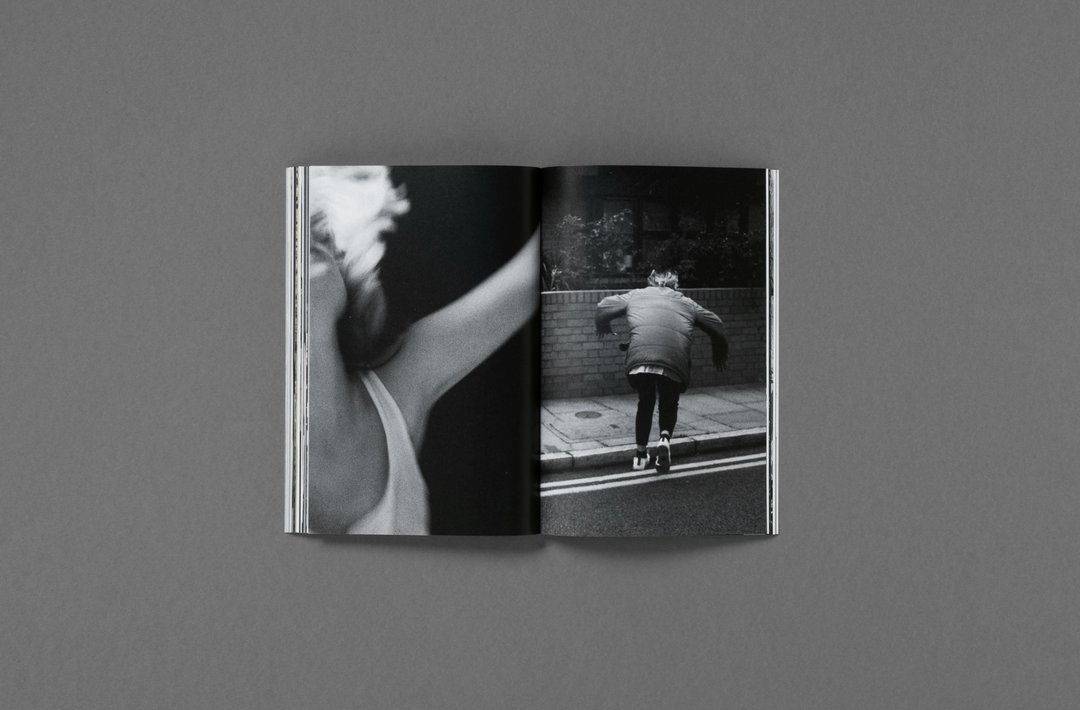
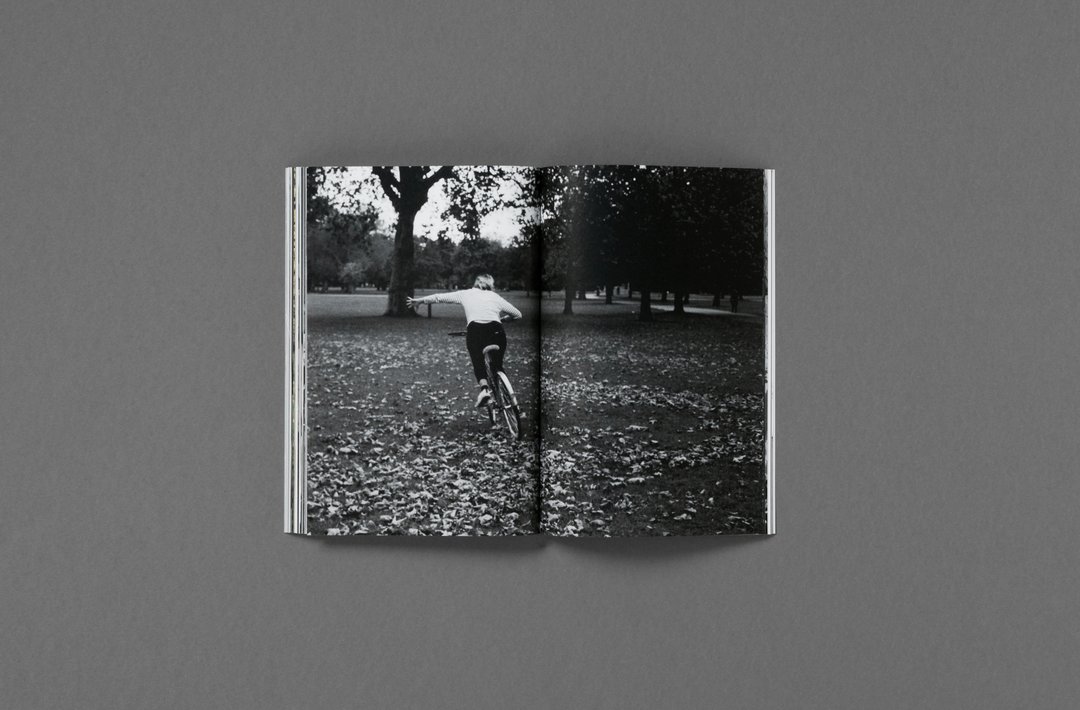
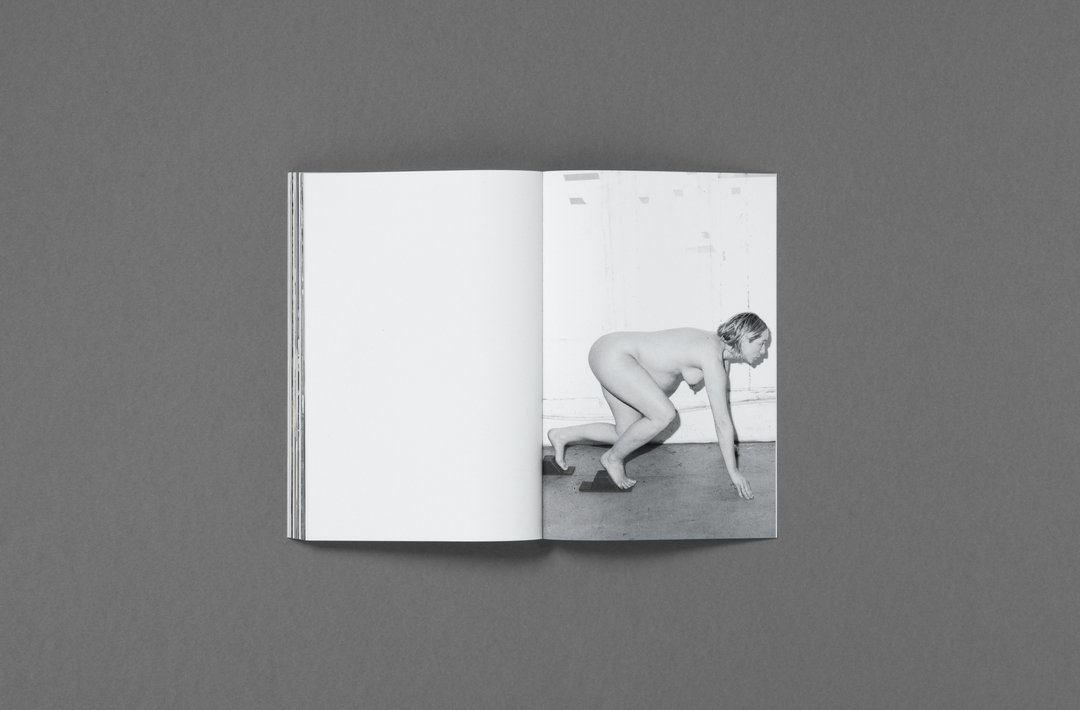
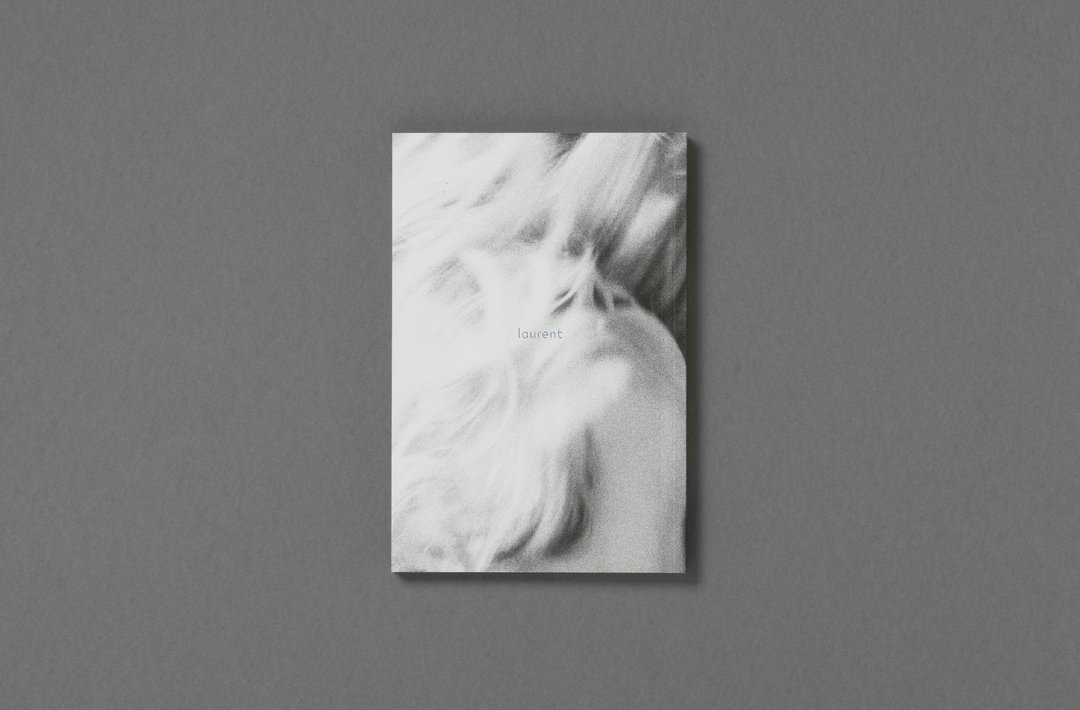
Gabby Laurent의
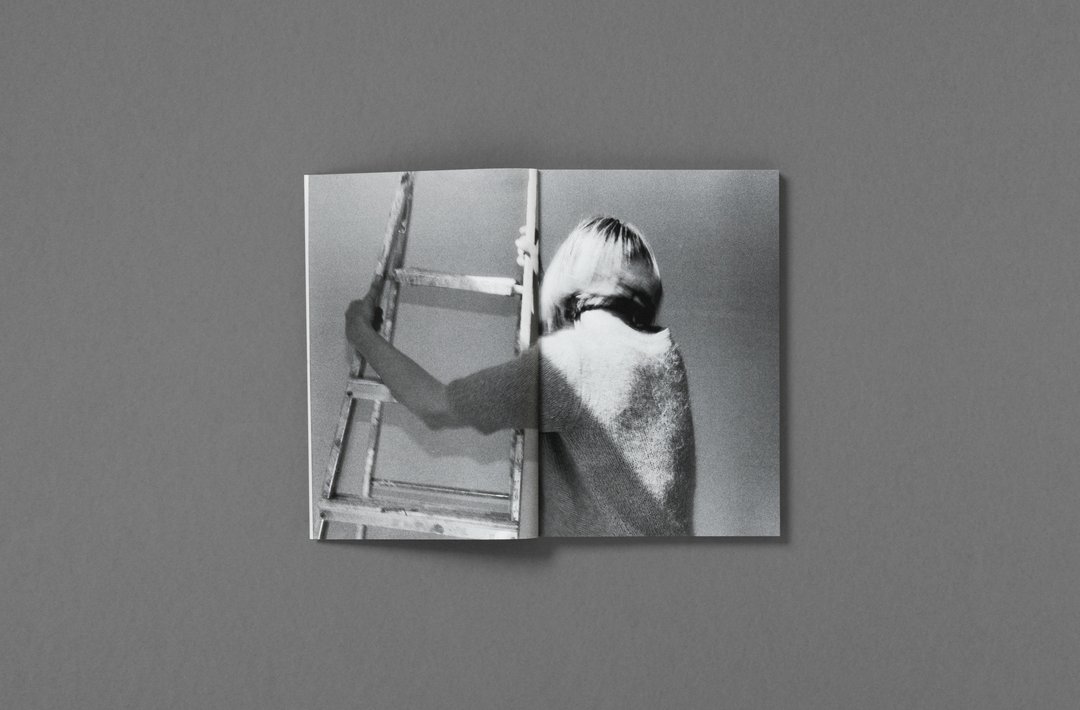
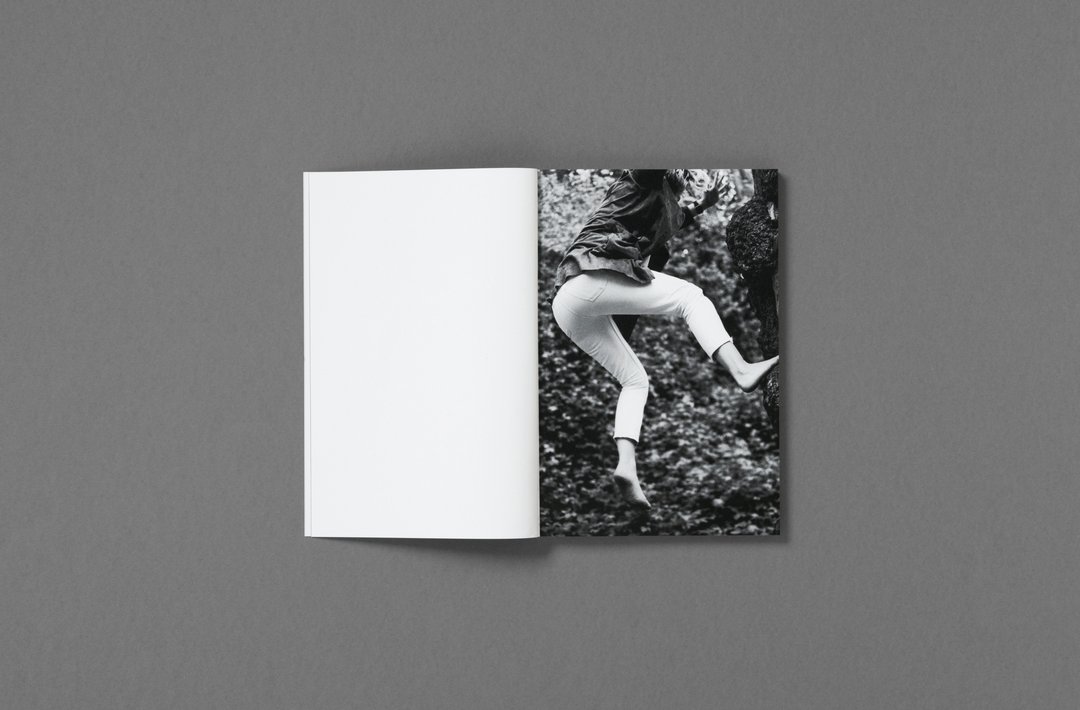
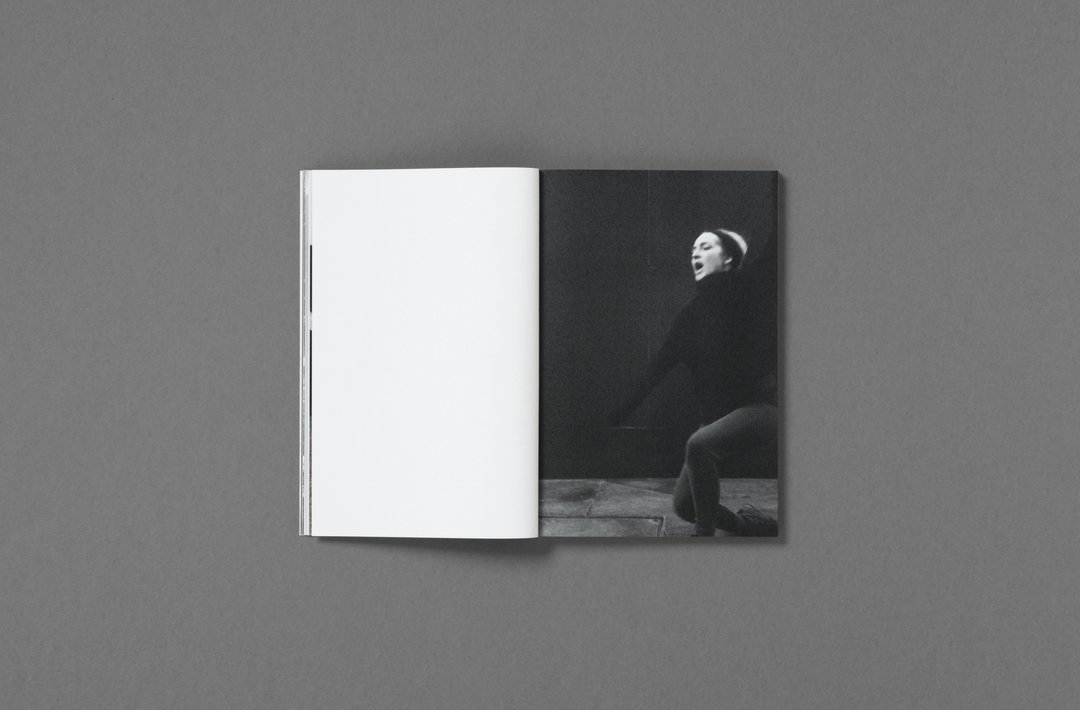
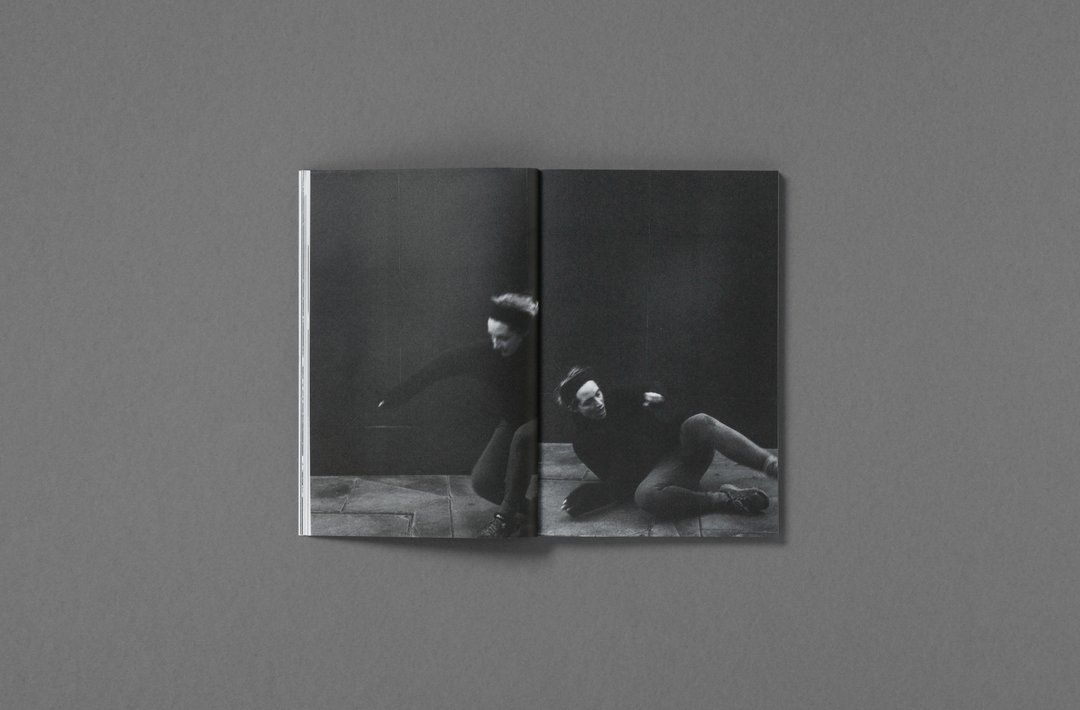
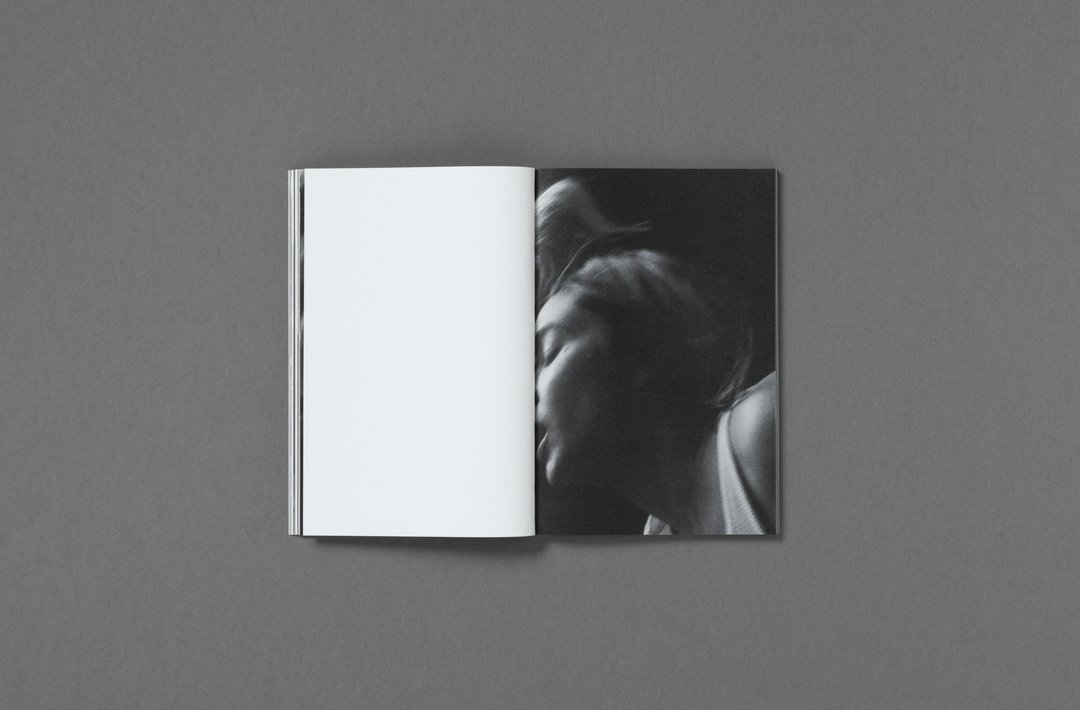
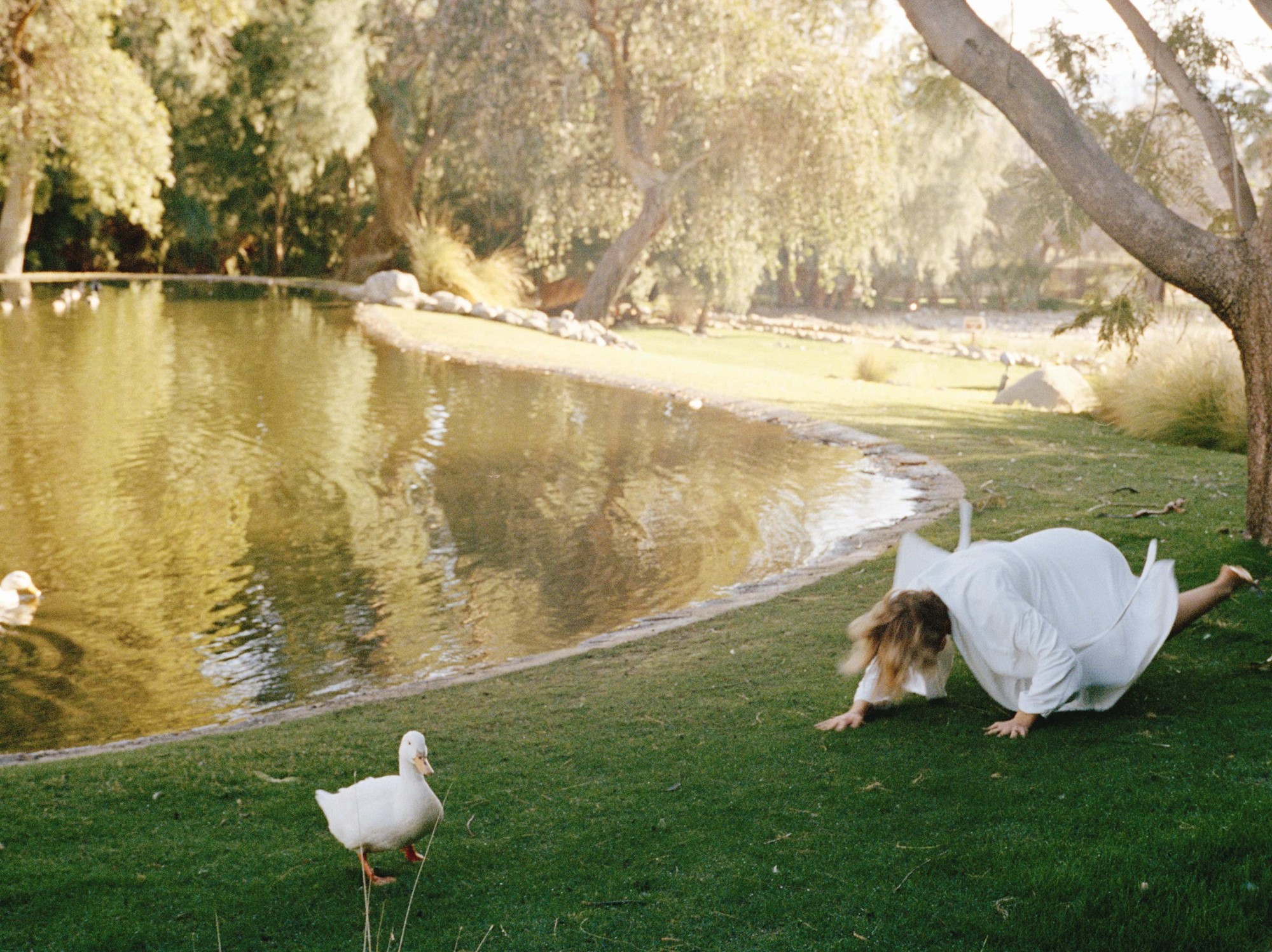
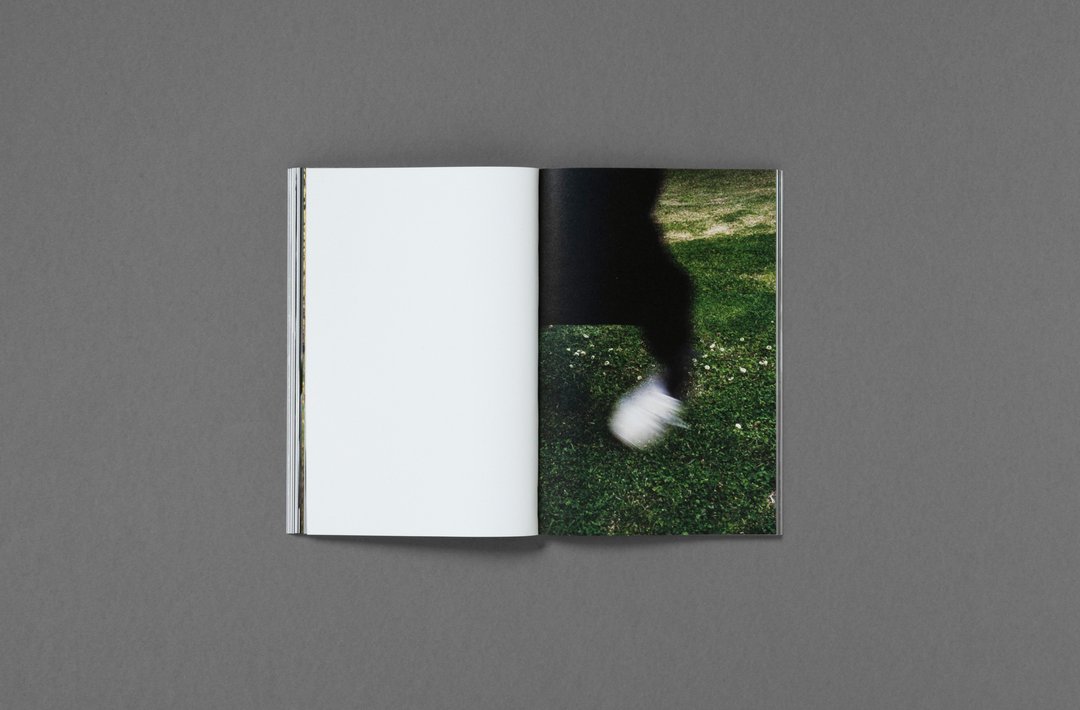
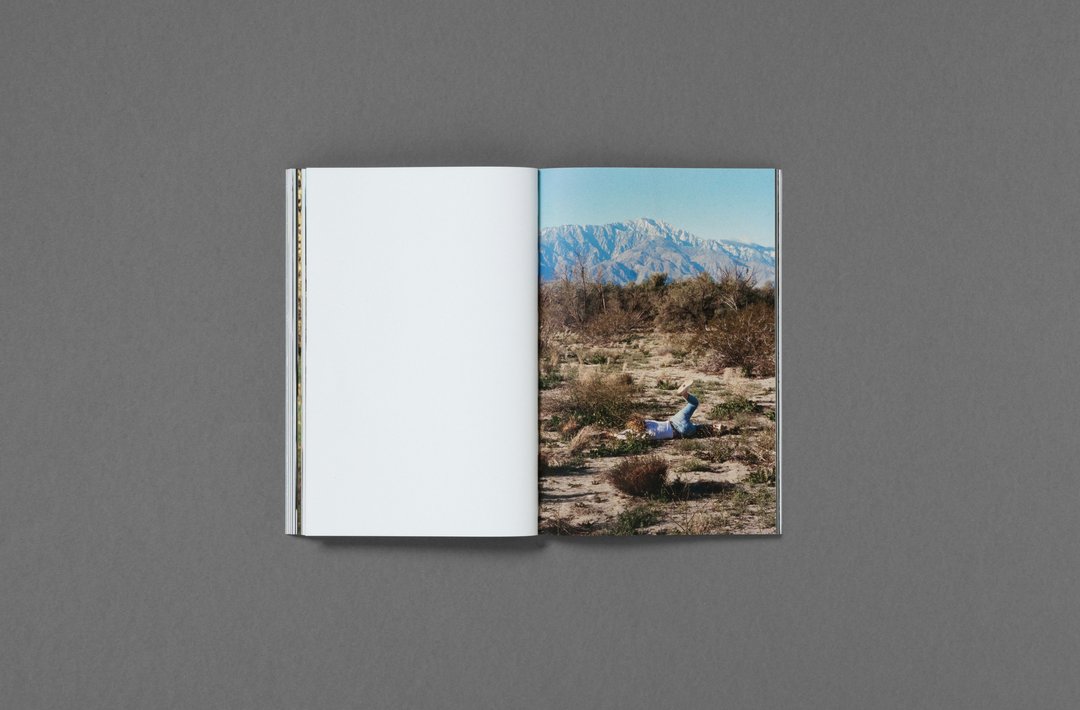
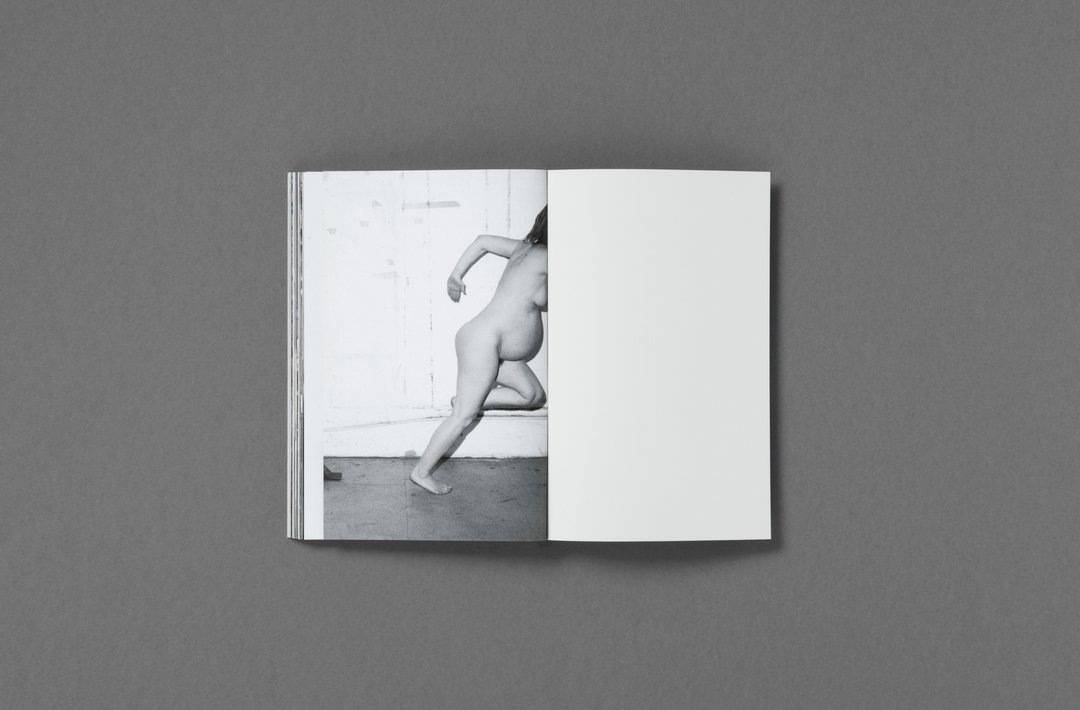
카메라 앞에서 선보이는 일종의 안무는 그가 겪은 사별, 임신과 같은 개인적 상황을 반영합니다. 이것은 사진가에게 자기 성찰의 행위가 됩니다. 자신의 몸을 적극적으로 사용하며 의도적으로 중력에 굴복하는 것을 반복하며 시간과 운명, 상황을 숙고하는 시각적 공간을 만듭니다.
설명할 수 없는 장애물을 삶에서 만날 때 우리는 그대로 무너지기도 하지만, 굴복하고 실패하는 것으로만 받아들이기보다는 또 다른 변화의 시작점이라는 것을 일깨워주고 있습니다. 만삭의 몸으로 화면 바깥으로 힘차게 달려나가는, 마지막 장의 사진이 인상적입니다.
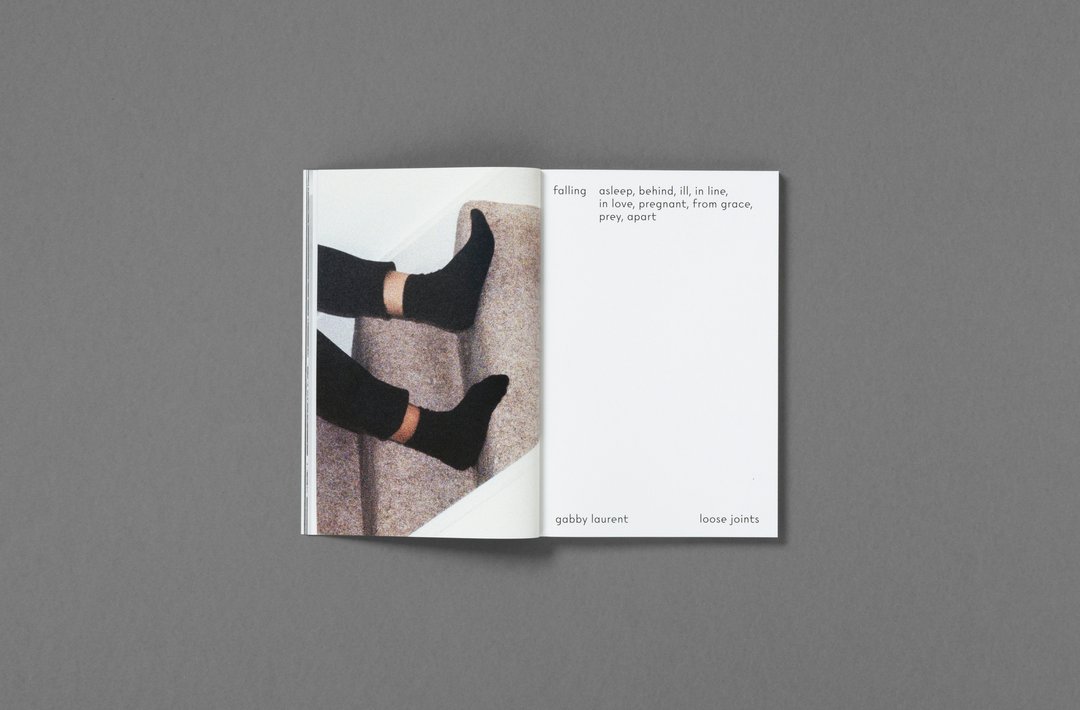
A fall from grace, falling asleep, falling pregnant, falling in-line or falling apart: falling is an act both comic and tragic, full of loss and wilful abandon, an act repeated throughout our lives. Reflecting on personal situations of bereavement and new life, Gabby Laurent’s performed choreography of falling is a space for self-reflection, allowing her body to repeatedly give way to gravity and create a visual space to contemplate time, fate and circumstance.
What is it to fall? The idiomatic vocabulary Laurent draws on suggests a failure of some kind, a lack of control and composure, which we are led to believe is unwomanly and unbecoming. Drawing on the visual language of feminist and performative art practices, Falling explores an abandoning of self-control and embracing of fate. However, dig deeper and we discover there is a contradictory element to Laurent’s images; for if falling is essentially accidental, then Laurent’s subversive and intentional performances capture a moment of control, rather than the loss of it.
There is a striking sequence of photographs featuring the artist precariously rising from a set of starting blocks whilst heavily pregnant. There are the ubiquitous slipping socks on the stairs, and the dramatic fall from a bicycle. Other, smaller moments capture Laurent’s body in pure free-fall, suspended within a photographic web of grain and blur, liberated from the landscape. Different moments and gestures are reversed, intermeshed, repeated or contradicted within the staccato, broken sequences of the book, inviting us to consider our relationship to the different daily experiences that wash over us and elicit reactions – a flickering, Muybridge-esque procession of emotions and states of mind. Each gesture elicits the same viewer response – the sharp draw of breath when we witness a stranger fall in the street. But more than simply comical acts of failure, Laurent’s work equally represents a gesture of defiance, as the artist inevitably picks herself up and dusts herself off.